
Madison Jenkins
Caroline Chisholm College
MAIN STREET, 2790
Collection of Work
Graphite drawing, ceramics, collagraph
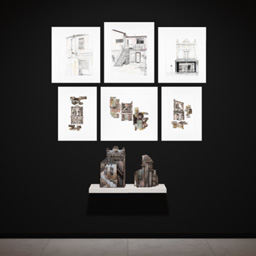
Main Street, 2790 examines how the cultural and historical identity of my family's hometown, Lithgow, is maintained through the preservation of its shopfronts, rear lanes and other features of Edwardian architecture. My body of work, a collection of ceramics, drawings and collagraphs, represents the beauty found within the decay and ageing of these architectural facades and textures. My intention in using the varied surfaces and properties of the different media was to convey the patina and charm of the town's heritage. My work investigates how Lithgow's vernacular architectural and industrial past create a unique sense of place.
My artmaking practice has been influenced by the study and interpretation of the following artists: Catherine O'Donnell, Christopher McVinish, Merran Esson.
Marker's Commentary
A poetic sensibility underpins this highly accomplished and cohesive body of work, comprising drawings, collagraph prints, and ceramic sculptures. The work establishes a deeply personal connection to place, referencing the houses of Lithgow, NSW, while simultaneously paying homage to the proliferation of terraced housing across Australia in the nineteenth century. The three realistic drawings of Edwardian shop terraces are rendered with refined control. Delicate linework and subtle colour washes articulate complex surfaces and textures evoking both the ageing character and quiet beauty of the buildings.
A restrained and harmonious palette unifies the work. The colours are sympathetic to those traditionally associated with Edwardian architecture. They function effectively as a visual device to connect the disparate forms. Architectural features such as façade ornamentation, decorative ironwork, prominent verandas, and external staircases are carefully observed, reflecting the modest yet distinctive embellishments of these residential and commercial structures. The collagraph prints extend this investigation through sophisticated compositional arrangements. Layered grids, corrugated textures, and subtle references to plasterwork conveys the tactile quality of deteriorating surfaces. These works extend the investigation of materiality while enriching the conceptual dialogue around time and decay.
The hand-built, slab-formed ceramic sculptures reinterpret the terraces in three dimensions. Key features, including gabled rooflines, staircase and balcony, are distilled and translated into sculptural form with clarity and sensitivity. Collectively, the body of work invites reflection on suburban life, memory and built heritage. The handcrafted approach emphasises human presence and imbues the work with warmth and authenticity. It exudes charm, character, and thoughtful engagement with both place and history.