
Priscilla Lam
Ravenswood School for Girls
SIGNAL LOST
Printmaking
Monotype print on paper, phone cases
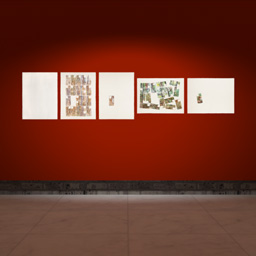
As a teenager I see how constant screen use among adolescents fragments reality, so my intention in Signal Lost was to parallel the emotional impact of contemporary isolation through digital addiction with the disorientation of early Australian settlers. In my body of work I combined etched laser-cut phone cases - representing dependence - with monotype printmaking, fragmented compositions and reversed prints of blurred child figures and moody bushland to convey vulnerability and loss. My work recontextualises national imagery to critique modern disconnection, encouraging the audience to reflect on our digital habits and to reconnect with nature.
My artmaking practice has been influenced by the study and interpretation of the following artists: Fredrick McCubbin, The Lost Child; Lloyd Rees, Spring at Lane Cove, Aden; Arthur Streeton, Butterflies and Blossoms, Windy and Wet, Evening Game, Still glides the stream, and shall for ever glide; Tom Roberts, Fog, Thames Embankment, Evening Train to Hawthorn; Charles Conder, Dandenongs from Heidelberg; Claude Monet, Impression, Sunrise; JMW Turner, Moonlight on Lake Lucerne with the Rigi in the Distance; Pablo Picasso; Philip Wolfhagen, A Painter's Landscape X; HEGO, Zeitgeist; Natalie Anderson, Antipodean Winter; Richard Claremont; Julian Meagher.
Marker's Commentary
Signal Lost is a sophisticated and atmospherically evocative work that presents a nuanced commentary on the insidious presence of technology within the contemporary world. Through the sensitive incorporation of textures drawn from the Australian landscape and the deliberate use of phone-cover shapes to frame the images a visually refined exploration of connection, isolation, and displacement is created. The restrained and subtle colour palette unifies the composition, creating a moody and contemplative visual language that reinforces the emotional resonance of the work.
Fragmented placement of the landscapes and figurative elements contained within the phone covers acts a compositional device, generating a palpable sense of disconnection despite their formal cohesion through colour and texture. This tension between unity and separation effectively mirrors the paradox of contemporary digital experience, where technological devices simultaneously connect and isolate individuals.
The repeated phone-cover forms operate both as structural framing devices and symbolic interruptions within the landscape, suggesting the pervasive intrusion of technology into personal, social, and environmental spaces. An expert understanding of composition is evident in the considered arrangement of forms across the picture plane. The subtle transitions between textured surfaces, figures, and spatial divisions guide the audience through the work while sustaining an atmosphere of ambiguity and quiet unease. The refined material practice and restrained aesthetic sensibility allow the conceptual concerns of the work to emerge for the viewer encourages sustained audience reflection and interpretation.